
A Plain Language Handbook for
Firefighters Running for Office
April 2026 · By Jayson E. French
Start ReadingTable of Contents
Chapter 1
Why Firefighters Should Run
- Firefighters are trusted because you already serve the community.
- Your experience brings real world problem solving and action to local government.
- Public safety decisions benefit from firsthand leadership.
- Elections are often decided by small margins.
- Running for office is simply another way to serve.
Firefighters carry a level of trust that few professions can match.
Firefighters are known for taking action and our citizens want this trait in an elected official.
Resources
Chapter 2
IAFF
- Political Strategy: Strategic plan and guidance on how to run an effective campaign.
- Graphic Design: Professional design for campaign materials and digital content.
- Voter Data: Tools to identify and target likely voters.
- Key Dates: Help tracking election deadlines and filing requirements.
- Campaign Contributions: Guidance on lawful fundraising and potential financial support.
Walt Dix — WDix@iaff.org
Chapter 3
Florida Professional Firefighters
- Voter Data: Access to voter data to help identify and reach likely voters.
- Key Dates: Assistance tracking election deadlines and filing requirements.
- Campaign Contributions: Guidance on lawful fundraising and potential financial support.
- Local and State Relationships: Support connecting candidates with key local and state leaders.
Chapter 4
Your Local Union
- Event Coordination: Help schedule meet-and-greets, forums and community events.
- Introductions: Make introductions to key community leaders, HOAs and local organizations.
- Ground Support: Assist with distributing flyers, placing yard signs and basic campaign setup.
- Volunteer Engagement: Help connect the campaign with union members willing to volunteer.
- Local Insight: Provide insight on neighborhood issues and voter concerns.
Your union membership provides access to these IAFF, FPF and local union resources at no cost. A committed team is essential for success during the election and just as important after the election, when the real work begins.
Chapter 5
Understanding Florida Elections
- Municipal elections are governed first by the city charter.
- Florida election law applies when the charter is silent.
- The Supervisor of Elections and the City Clerk work together.
- Some elections are non partisan and some are partisan.
- Each local government may have slightly different procedures.
Municipal elections are governed first by the city charter.
Understanding the structure helps you stay organized and compliant from the beginning.
Chapter 6
Candidate Eligibility
- You must be a registered voter in Florida.
- You must live in the district or city when required.
- Some offices have additional qualifications.
- You may need to resign one office to run for another.
- Confirm eligibility early with your filing officer.
The best approach is to confirm eligibility early with your filing officer so there are no surprises later in the process.
Chapter 7
Filing Officer and Candidate Filing
- City candidates usually file with the City Clerk.
- County and district candidates file with the Supervisor of Elections.
- State candidates file with the Division of Elections.
- The filing officer provides deadlines and forms.
- Filing begins before you officially qualify for the ballot.
Your filing officer is the primary point of contact for your campaign paperwork.
Filing as a candidate begins before the formal qualifying period.
Chapter 8
Campaign Account and Treasurer
- Appoint a campaign treasurer before raising or spending money.
- Open a separate campaign bank account.
- Do not mix campaign and personal money.
- Keep records of all contributions and expenses.
- Choose a treasurer you trust.
Appoint a campaign treasurer before raising or spending any money.
Rules require that you appoint a campaign treasurer and open a campaign bank account before raising or spending any money.
Chapter 9
Statement of Candidate and Campaign Laws
- File the Statement of Candidate after opening your campaign account.
- Campaign finance reports are due on set schedules.
- Contribution limits and spending rules apply.
- Late or inaccurate reports may result in fines.
File the Statement of Candidate after opening your campaign account.
Reports must be filed on specific schedules.
Resources
Chapter 10
Qualifying for the Ballot
- You must qualify during the official qualifying period.
- You may submit petitions or pay the qualifying fee.
- Some documents must be notarized.
- Financial disclosure rules apply to many offices.
- Once accepted your name is placed on the ballot.
You may submit petitions or pay the qualifying fee.
Chapter 11
Campaigning Rules and Conduct
- Do not campaign on duty or in uniform.
- Follow sign placement and disclaimer rules.
- Polling places have no-solicitation zones.
- Communicate ethically and respectfully.
- Assume everything you say may become public record.
Follow sign placement and disclaimer rules.
Assume everything you say may become public record.
Chapter 12
Common Campaign Violations
- Failing to file required reports on time
- Using personal funds or accounts improperly
- Inaccurate or incomplete disclosures/reports
- Improper coordination with committees
- Absence of proper disclaimers in ads
- Ineligible use of campaign funds
- Taking money from sources not allowed
Chapter 13
Ways to Avoid Violations
- Be vigilant with deadlines — Campaign finance filings must be timely.
- Keep clean accounts — Never mix personal and campaign funds.
- Check your work — Double-check disclosures and reports before submitting.
- Follow advertising rules — Include proper disclaimers on all campaign communications.
- Keep records for the required period — Documentation helps if questions arise.
Legally required to include “paid for by” statements or sponsor information in campaign advertising.
Resources
Chapter 14
Political Committee (PC Fund)
- Call Screven Watson 850-681-8530 (Free)
- Everyone needs a PAC, no matter what
- Register before raising or spending $
- File reports regularly (this changes monthly)
- File reports even when there is no activity
- Steep fines if not filed properly
File reports even when there is no activity.
Screven Watson — Screven@screvenwatson.com
Chapter 15
Election Day and Certification
- Campaigning is restricted near polling places.
- Poll workers and election officials manage voting operations.
- Only authorized individuals may enter the polling room.
- Ballots are canvassed and results certified.
- Recounts or provisional ballot reviews may occur.
Chapter 16
After the Election
- File your final campaign finance reports.
- Close your campaign account when authorized.
- Open an office account or donate to a nonprofit with remaining funds.
- Keep records for the required retention period.
Open an office account or donate to a nonprofit with remaining funds.
Candidate Checklist
Tap to check off items · 0/13 complete
Post Election Checklist
Resources
Florida Statute Reference Index
Supported by




About the Author
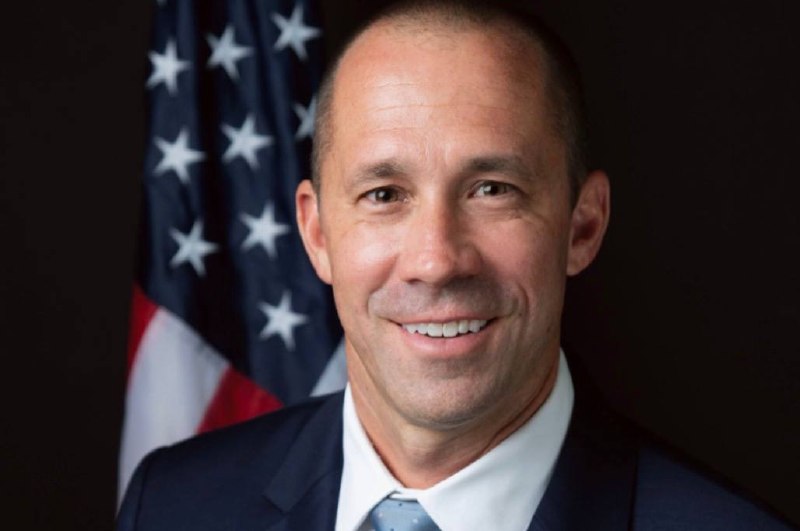
Jayson E. French
Elected official in Florida and Firefighter
© 2026, Jayson E. French, All Rights Reserved